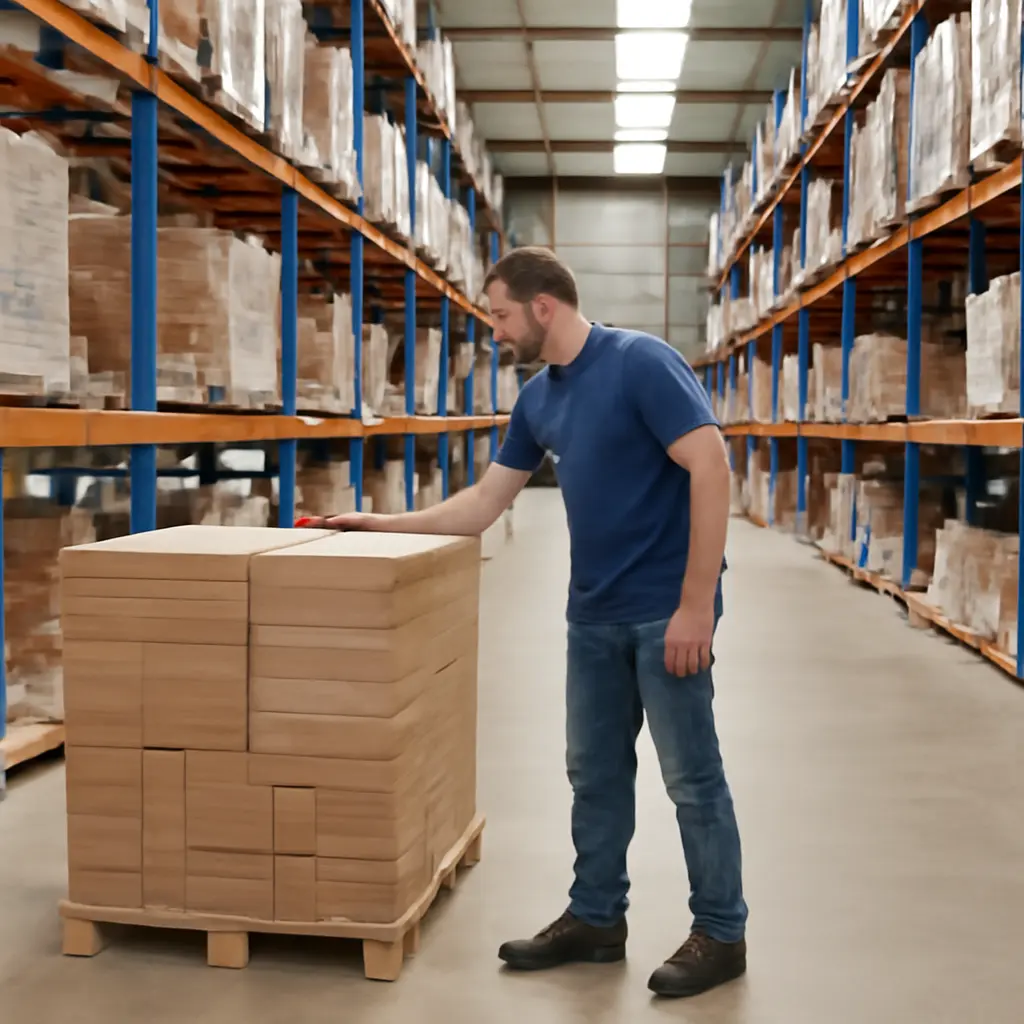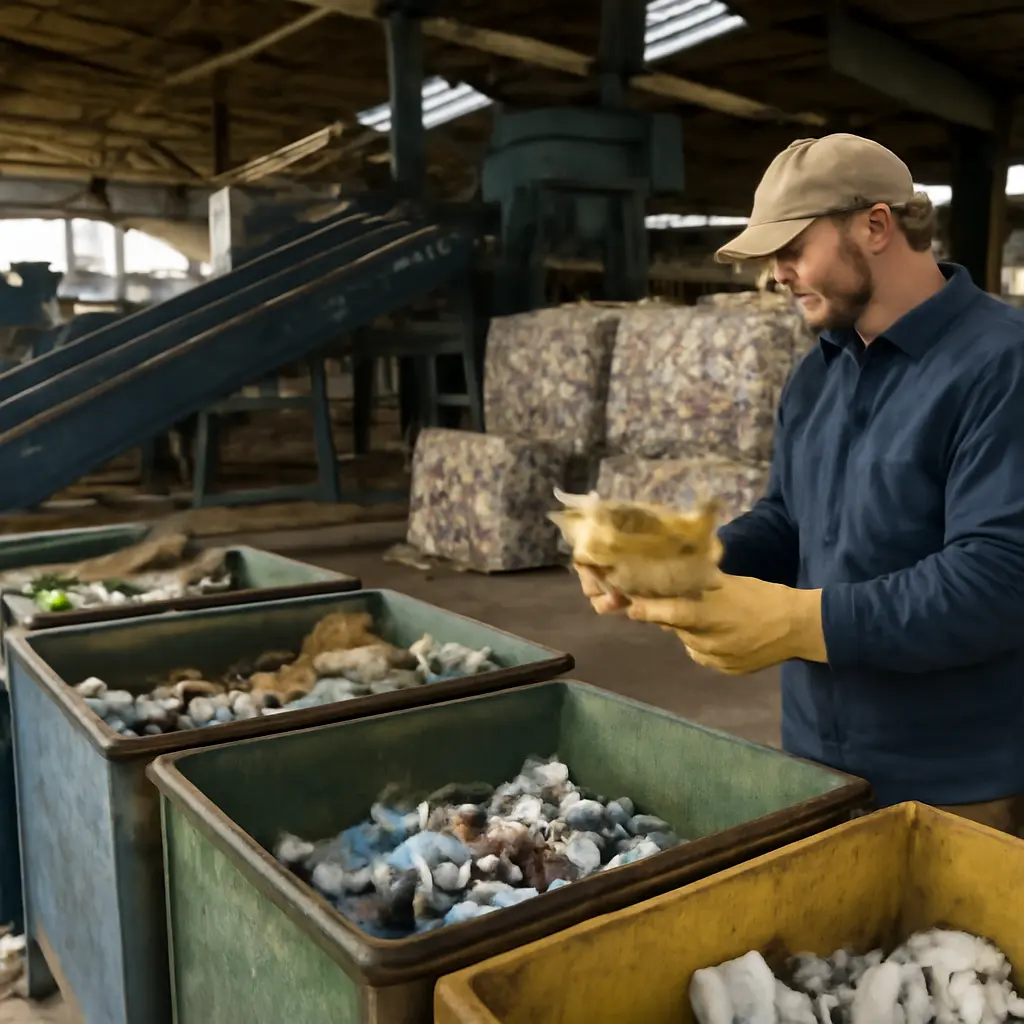
Recycling is the collection and processing of used materials into new products; genuine material recovery goes further by measuring whether those materials actually become usable, specification-compliant feedstock and displace virgin resources. That shift is under way: the U.S. Environmental Protection Agency (EPA) estimates the national municipal solid-waste recycling and composting rate at 32.1% in 2018, while its more recent materials-management work emphasizes tracking outcomes across the full life cycle. The distinction matters because collection alone does not prove recovery. Better measurement, stronger product design, effective sorting, and dependable end markets determine whether “recycled” material returns to productive use—or is contaminated, downcycled, stockpiled, or discarded.
Material recovery defines what recycling must deliver
Material recovery is the verified conversion of discarded materials into usable inputs, with attention to quantity, quality, destination, and the resources displaced. The EPA’s sustainable materials management approach considers the environmental impacts of materials across their life cycles, rather than treating collection as the finish line. In practical terms, a recovery claim should distinguish material collected from material sorted, processed, sold, and incorporated into a new product.
This outcome-based definition connects recycling with several related practices: reuse keeps products in service; repair extends their useful life; remanufacturing restores products or components; and recycling processes materials into feedstock. These are not interchangeable. Reuse may preserve more of a product’s original value, while recycling can be necessary when a product can no longer serve its original function. Recovery systems work best when they choose the highest-value feasible route rather than treating all collected material as equally successful.
Collection is not the same as recovery
Collection measures material entering a system; recovery measures material that emerges as a usable resource. Sorting losses, contamination, processing residues, and the absence of buyers can substantially reduce the amount ultimately recovered. The EPA’s 2018 U.S. municipal solid-waste estimate—292.4 million tons generated and 94 million tons recycled or composted—illustrates why rates need clear definitions: the headline percentage describes recycling and composting combined, not the share of every collected item that became a new product.
A useful reporting chain follows material from its point of discard through collection, sorting, reprocessing, sale, and final manufacturing use. Audits or mass-balance records can help identify where losses occur. Without these distinctions, a high collection rate can conceal low-quality output or material that never reaches a productive end market.
Quality and end markets determine value
Recovered material is valuable only when it meets a buyer’s technical requirements. Paper mills need suitable fiber; glass manufacturers need appropriately sorted cullet; and plastics processors require resin streams with controlled composition and contamination. When quality falls short, materials may be rejected, used in lower-value applications, or disposed of. The Organisation for Economic Co-operation and Development (OECD) reported that global plastic waste reached 353 million tonnes in 2019, but only 9% was ultimately recycled after accounting for recycling losses. This is a stark reminder that collection and processing labels do not guarantee effective material return.
End-market transparency therefore belongs alongside tonnage statistics. Reporting should identify whether recycled content entered a product, what share was used, and whether the application retained material value. Such evidence helps distinguish genuine circular use from temporary handling or claims that stop at the sorting facility.
Circular design strengthens material recovery
Circular design means creating products and packaging so that they last longer, can be repaired or reused, and can be separated into recoverable materials at end of life. The Ellen MacArthur Foundation’s circular-economy framework emphasizes designing out waste and pollution, keeping products and materials in use, and regenerating natural systems. Applied to recovery, that means considering a product’s next use before choosing its materials, adhesives, coatings, labels, and construction.
Design choices affect the efficiency and quality of every downstream step. A recyclable material in theory may be difficult to identify, separate, or process in local facilities. Conversely, standardized formats and clear material identification can improve sorting and help manufacturers secure consistent feedstock. This connects product design to infrastructure: neither can deliver strong recovery outcomes alone.
Reuse, repair, and remanufacturing preserve product value
Reuse keeps an item functioning without first breaking it down into raw material; repair restores its function, while remanufacturing rebuilds a product or component to a defined standard. These routes can retain more of the energy, labor, and material already invested in a product than recycling can. They are especially relevant for durable goods, electronics, furniture, and packaging systems designed for multiple trips.
The European Environment Agency and other circular-economy institutions identify longer product life and resource efficiency as important ways to reduce environmental pressure. For businesses, repairable designs, spare-parts access, take-back systems, and refurbishment services can turn discarded-product management into a source of recovered value. Recycling remains essential for materials that cannot reasonably be reused, but it should not automatically be the first choice.
Design for sorting and recycled-content demand
Design for recovery uses compatible materials, separable components, and formats that existing or planned systems can identify and process. It also considers demand: manufacturers need buyers for recovered feedstock, while recyclers need predictable specifications and sufficient volume. Public procurement, recycled-content requirements, and extended producer responsibility policies can help create that demand when they are carefully designed and verified.
The United Nations Environment Programme’s Global Resources Outlook 2024 underscores the scale of the wider challenge: global resource extraction has tripled over the past five decades and could rise further without major changes in production and consumption. Recovery alone cannot offset ever-growing material throughput. Design that reduces unnecessary material use and makes products durable and recoverable is therefore part of the solution, not an optional addition to recycling.
Infrastructure and measurement make recovery credible
Material recovery depends on connected infrastructure: accessible collection, capable sorting facilities, reprocessing plants, quality controls, transportation, and stable end markets. A system may collect a material widely yet fail to recover it if local processors cannot handle it or manufacturers will not buy the output. The OECD’s analysis of plastics shows the consequences of this gap: recycling capacity and collection are only parts of a chain that also includes sorting losses and demand for secondary plastics.
The bridge from circular design to measurable recovery is therefore operational. Companies and governments need common definitions and traceable data so that claims can be compared and verified. The EPA’s national materials statistics provide a baseline for U.S. municipal solid waste, while life-cycle assessment can help evaluate whether a recovery route produces environmental benefits relative to alternatives.
Track outcomes with material-flow accounting
Material-flow accounting records the quantities and destinations of materials as they move through an economy or supply chain. For a recovery program, useful indicators include collection yield, sorting and processing losses, recovered-material quality, verified sales, recycled content in finished goods, and displacement of virgin material. A consistent denominator is essential: reporting “recycled” as a share of collected, generated, or processed material can produce different results.
Life-cycle assessment adds another test by evaluating environmental impacts across stages such as extraction, manufacturing, transport, use, and end of life. A recovery route should not be judged by tonnage alone if it requires excessive energy, produces harmful residues, or fails to replace primary material. Transparent methods and independent verification make progress claims more credible.
Case study: U.S. aluminum beverage cans
Aluminum illustrates why strong recovery combines a valuable material with established collection and processing markets. The Aluminum Association reports that aluminum can be recycled repeatedly without losing its essential properties and that recycling aluminum saves about 95% of the energy required to make primary aluminum. Its industry data also show that the U.S. can recycling rate has remained well below a full circular loop in recent years, demonstrating that technical recyclability does not ensure recovery of every can.
The lesson is broader than aluminum: material value and mature processing can support recovery, but collection access, consumer participation, sorting performance, and market demand still determine actual results. A useful accompanying graphic would show a material-flow diagram—from discarded can to sorting, remelting, and new can—alongside the losses at each stage.
Case study: plastics and the limits of recycling claims
Plastics reveal how varied material types, additives, colors, and product formats complicate recovery. The OECD’s 2019 global estimate found that just 9% of plastic waste was ultimately recycled; 19% was incinerated, nearly 50% went to sanitary landfills, and the remainder was mismanaged. The figures make clear that a recycling symbol or collection bin is not proof that an item was recycled into a new product.
Improvement requires coordinated action: simplify packaging, reduce unnecessary formats, expand reliable collection and sorting, develop markets for quality secondary material, and disclose verified outcomes. For some applications, reusable systems or material reduction may deliver better results than attempting to recycle difficult, low-value mixtures.
Conclusion: measure recovery, not just recycling activity
The shift from recycling to genuine material recovery changes the central question from “How much did we collect?” to “How much became useful material, where did it go, and what virgin resource did it replace?” Recovery depends on quality and end markets; circular design preserves product and material value; infrastructure connects collection to manufacturing; and transparent measurement verifies results. The EPA’s U.S. waste data, the OECD’s global plastics findings, and the United Nations Environment Programme’s resource-use assessment all show why activity alone is not enough.
Businesses can start by auditing material flows and publishing verified recovery outcomes. Policymakers can align standards, infrastructure investment, procurement, and producer responsibility around measurable results. Consumers can prioritize durable, repairable, reusable products and follow local sorting guidance. The practical next step is to ask every recycling claim for its evidence: what was recovered, to what specification, into which product, and with what demonstrated benefit?
Sources: U.S. Environmental Protection Agency, National Overview: Facts and Figures on Materials, Wastes and Recycling, https://www.epa.gov/facts-and-figures-about-materials-waste-and-recycling/national-overview-facts-and-figures-materials; U.S. Environmental Protection Agency, Sustainable Materials Management Basics, https://www.epa.gov/smm/sustainable-materials-management-basics; Organisation for Economic Co-operation and Development, Global Plastics Outlook: Economic Drivers, Environmental Impacts and Policy Options, https://www.oecd.org/environment/plastics/plastics-outlook/; Ellen MacArthur Foundation, What Is a Circular Economy?, https://ellenmacarthurfoundation.org/topics/circular-economy-introduction/overview; United Nations Environment Programme, Global Resources Outlook 2024, https://www.unep.org/resources/Global-Resource-Outlook-2024; The Aluminum Association, Aluminum Can Advantage, https://www.aluminum.org/Recycling; The Aluminum Association, The Aluminum Can Advantage: Sustainability Key Performance Indicators, https://www.aluminum.org/Recycling.